What is a back boiler, and replacing one
A back boiler is a gas boiler built into the back of a fireplace, heating your water and often your radiators. Replacing one usually means fitting a new boiler somewhere else in the home, and we price it in writing before any work starts.
- A few quick questions
- No obligation
A back boiler sits behind a fire or fireplace, usually in the living room. The fire and the boiler share one opening. Many homes still have one, and replacing it is a common job when it fails or the fire is no longer wanted.
Your options with a back boiler
Keep it running
Leave the back boiler where it is and have it looked at when something goes wrong.
- No building work
- No cost until something needs attention
- Parts can be hard to find on older models
- The fire opening has to stay in use
Swap to a heat pump
Move away from gas altogether. This is a bigger job and suits some homes better than others.
- No gas boiler needed
- Funding schemes exist, see our scheme page
- Needs more planning and space
- Radiators and pipework may need changes
Replace it with a new gas boiler
We remove the back boiler and fit a modern boiler in a more practical spot, then price the whole job in writing.
- A written price before any work starts
- No obligation to go ahead
- A local installer, not a national call centre
What replacing a back boiler involves
Step 1
Tell us about the job
Answer a few questions in the quote form, and add photos of the fireplace and where the boiler could go.
Step 2
Agree where the new boiler goes
A back boiler is built into the fireplace, so the new one usually goes on a wall in a kitchen, utility room or loft.
Step 3
Remove the old boiler
The back boiler comes out of the fireplace and the old pipework is capped or rerouted.
Step 4
Fit and commission
The new boiler, flue, controls and pipework are fitted, then tested and commissioned.
Step 5
Notification and certificate
Your engineer notifies the work through Gas Safe Register, and a compliance certificate follows by post.
What to check before work starts
- The engineer is on the Gas Safe Register, with their ID card checked front and back
- The back of the card lists boilers and your gas type
- You have a written price and know what it covers
- You know where the new boiler, flue and controls will go
- The quote says what happens to the fireplace once the boiler is out
- You know who will notify the work and when the certificate should arrive
Who and what the boiler building regulations cover
- Applies to new and replacement boilers and other heat producing gas appliances in England and Wales.
- Part L rules quoted here are for existing dwellings in England.
What to do
- 1Use a Gas Safe registered engineer qualified for boilers.
- 2The engineer notifies the installation through Gas Safe Register within 30 days.
- 3Check the certificate arrives; if not, ask the engineer or Gas Safe Register.
Source: Building Regulations Certificate | Gas Safe Register, checked 2 November 2026
The rules, as they stand
Fitting or replacing a boiler is notifiable building work in England and Wales. A Gas Safe registered engineer self-certifies it through Gas Safe Register, and you get a Building Regulations Compliance Certificate in the post in 10 to 15 working days. Keep it for selling or remortgaging. Read more on the boiler building regulations certificate page.
A gas boiler for wet central heating in an existing dwelling should be at least 92% efficient. A combination boiler needs one extra measure, such as weather compensation or a smart thermostat. A carbon monoxide alarm should be provided in the room where a new fixed gas appliance is fitted.
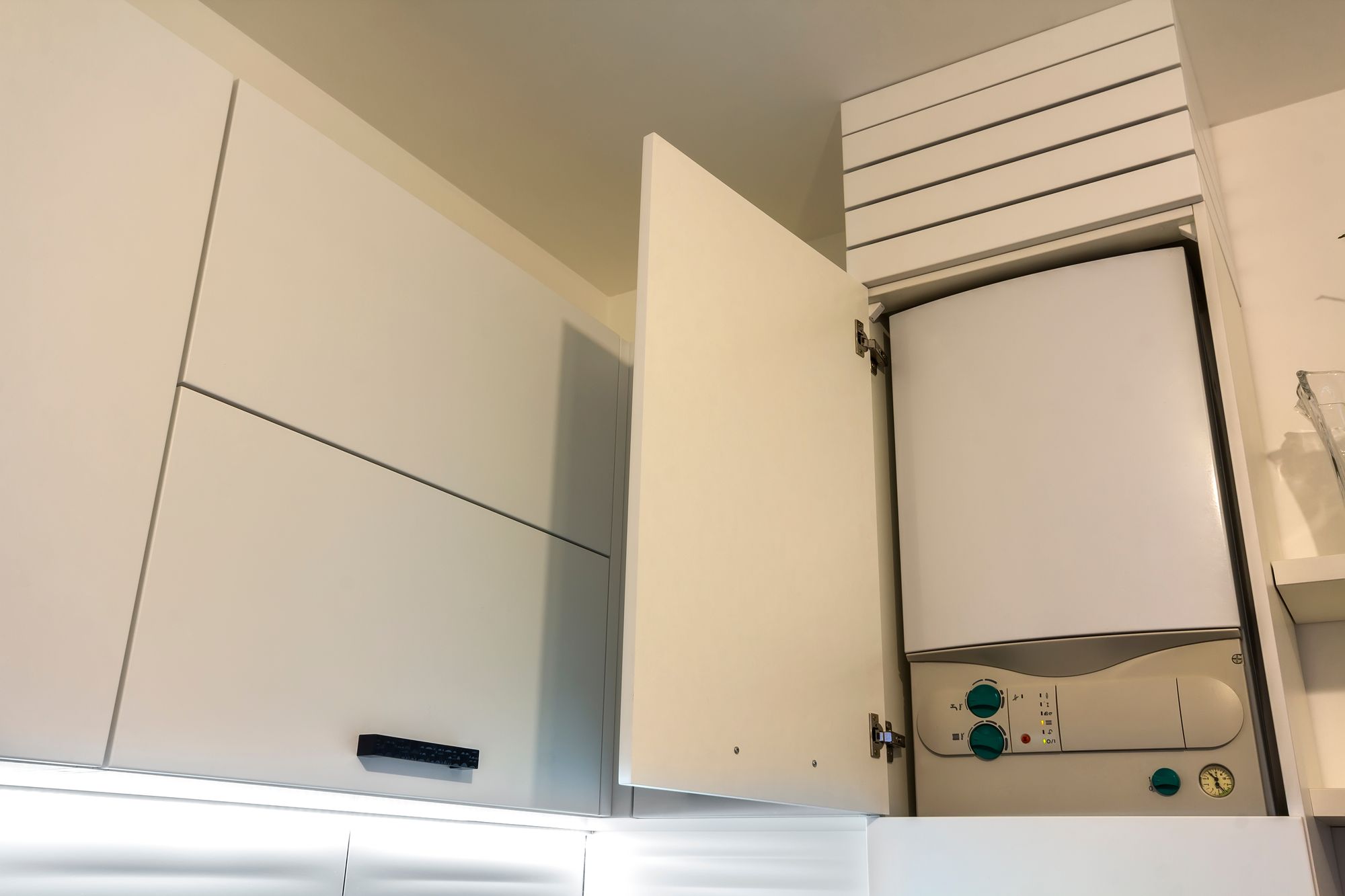
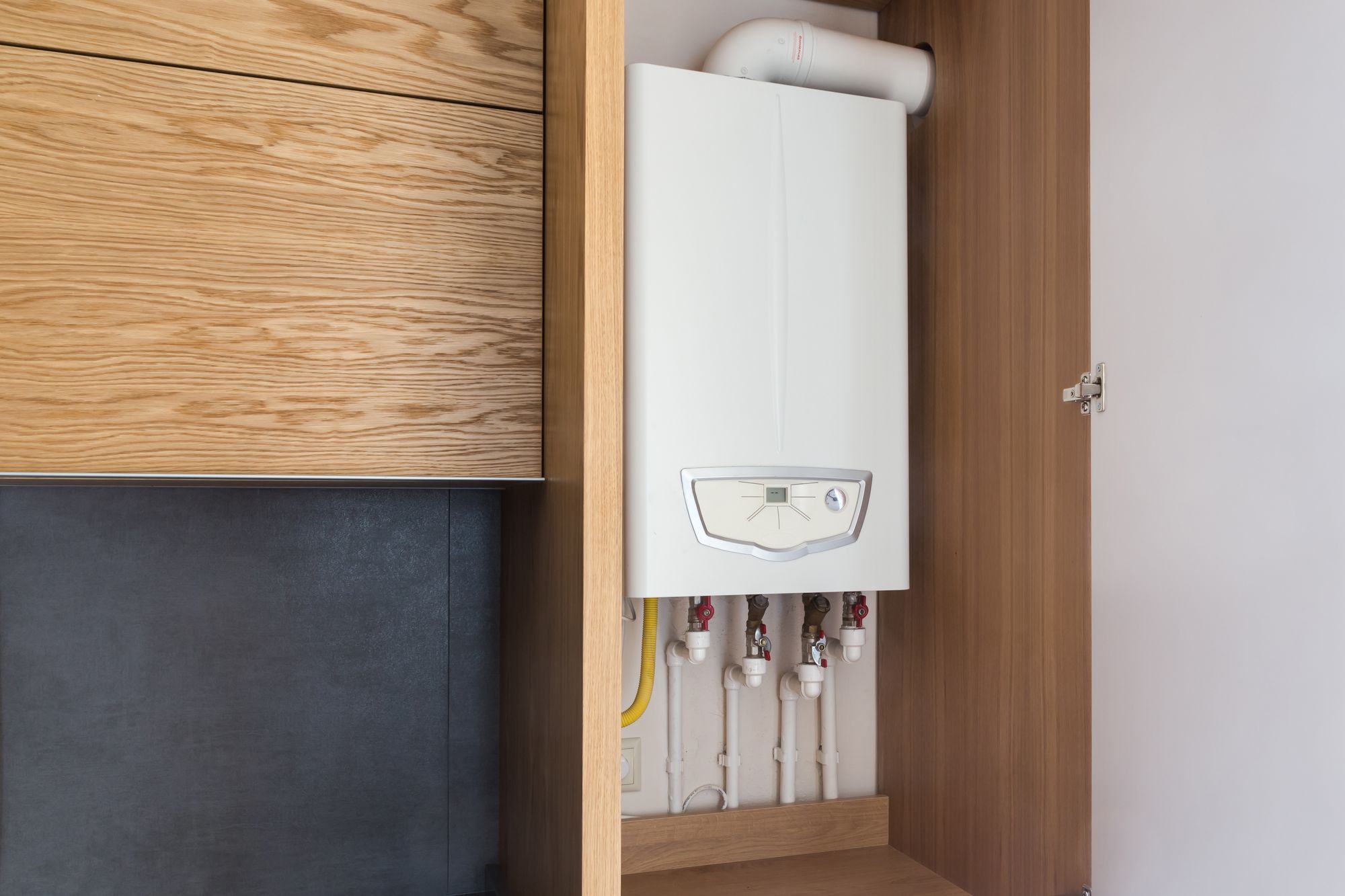
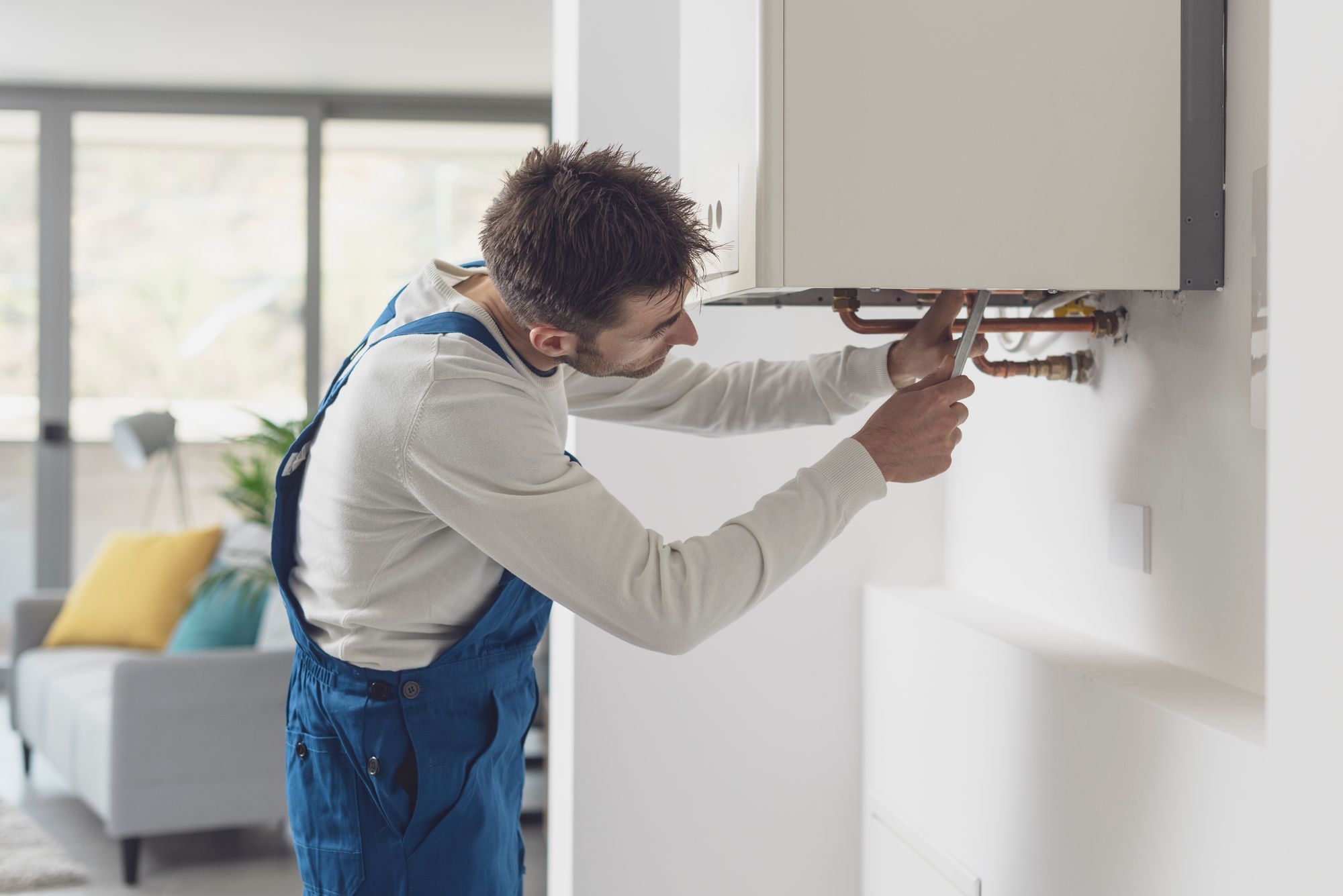
Examples of the style of boiler installation
Example images of the style of work, not photos of our jobs.
Back boiler questions
Can I keep my fire if the back boiler goes?
That depends on the fire and the fireplace. A back boiler and its fire share one opening, so ask your engineer what can stay once the boiler is removed.
Where does the new boiler go?
Usually on a wall somewhere else in the home, such as a kitchen, utility room or loft. We agree the spot with you in the written price.
Do I get a certificate afterwards?
Yes. After your engineer notifies the work through Gas Safe Register, a Building Regulations Compliance Certificate arrives in 10 to 15 working days.
Do I have to go ahead once I have a price?
No. Our price is in writing, before any work starts, and you have no obligation to go ahead.
Related
Where we work
Aylesbury and the areas around it. Every postcode listed is in our area.
Boundaries: Office for National Statistics (OGL v3.0). Contains OS data © Crown copyright and database right 2024.
Want it sorted for you?
Tell us what's going on and we'll price the job.
- A few quick questions
- No obligation